
Every cat owner has wondered at some point where their feline companion's striking looks or quirky personality actually came from. Whether you've welcomed a rescue moggy into your home or invested in a pedigree kitten, understanding the breed background of your cat can offer fascinating insights into their behaviour, health needs, and care requirements. This guide walks through the various ways you can uncover your cat's heritage, from time-honoured visual identification methods to cutting-edge apps powered by artificial intelligence.
At a glance
- Understanding a cat's breed heritage helps owners gain valuable insights into their pet's specific behavior, health needs, and care requirements.
- Physical identification involves examining a cat's coat patterns, body structure, and facial features, which often serve as primary indicators of breed ancestry.
- Behavioral traits and temperament, such as sociability or vocalization, provide essential clues that complement physical observations when identifying a cat's origins.
- Traditional illustrated breed guides offer a reliable and detailed method for owners to compare their cats against established breed standards.
- Modern AI-powered mobile applications, such as the Cat Breed Identifier & Guide, provide a fast and efficient way to analyze photos and suggest likely breed matches.
- Digital identification tools often include comprehensive profiles covering personality and health, which help promote responsible pet ownership.
- Distinguishing between pedigree cats and rescue moggies is an important aspect of understanding the diversity and historical background of the feline population.
Understanding cat breeds: characteristics and origins
Cats come in an astonishing variety of shapes, sizes, and temperaments, and much of this diversity stems from their breeding history. Recognising a breed often starts with observing physical traits, though behaviour plays an equally important role in painting a complete picture of your pet's ancestry.
Distinctive physical features: coat patterns, body types and facial structures
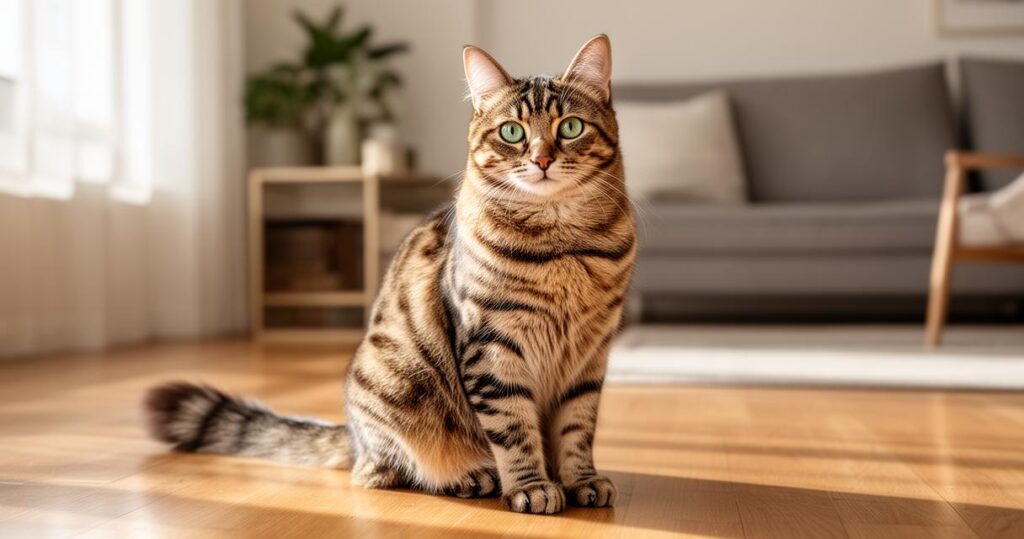
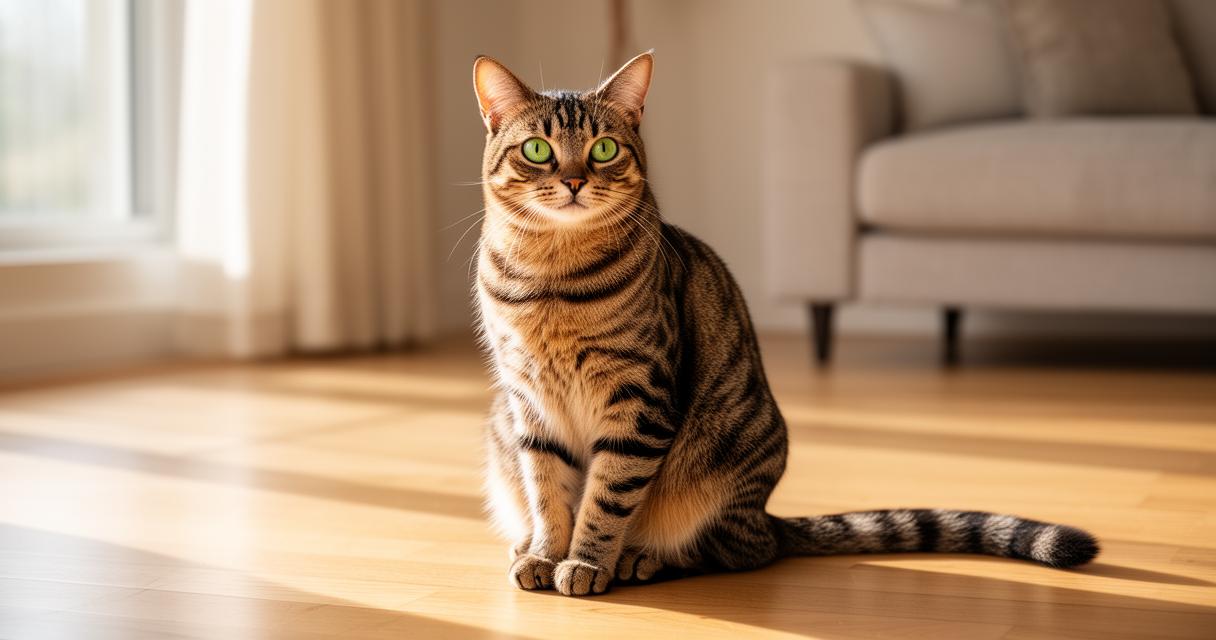
The most obvious starting point when trying to work out a cat's breed is its coat. Colours range widely, with black, grey, white, buff, brown, and orange being among the most common, alongside more elaborate patterns like tortoiseshell and calico. Beyond plain colours, many cats display one of four recognised tabby patterns: classic, mackerel, ticked, and spotted, each creating a distinctive visual signature that can hint at particular breed lines. Markings add another layer of complexity, with cats sporting lockets, tail tips, socks, blazes, or the smart black-and-white tuxedo look, all of which can be clues to a cat's genetic background. Some cats also carry unique physical identifiers such as eartips, extra toes, or naturally missing tails, features that are sometimes breed-specific and other times simply individual quirks. Body shape and facial structure matter too; the broad, muscular frame and tufted ears of a Maine Coon look nothing like the compact, rounded features typical of a British Shorthair, and these differences give experienced observers plenty to work with when narrowing down possibilities.
Temperament and behaviour: how personality traits reveal breed heritage
Physical appearance only tells half the story. A cat's temperament often reflects generations of selective breeding, and certain personality traits are strongly associated with specific lineages. The laid-back, sociable nature of a Ragdoll differs enormously from the vocal, attention-seeking demeanour typical of a Siamese, for instance. Even the European Shorthair, a breed with a long and unassuming history across the continent, tends to show a calm, adaptable disposition that suits family life. Observing how your cat interacts with people, other animals, and its environment can therefore provide valuable behavioural evidence to support any breed theory you're forming, particularly when combined with physical clues.
Methods for Identifying Your Cat's Breed: From Visual Assessment to Modern Technology
Once you've made some initial observations, there are several practical routes available for confirming or refining your suspicions about your cat's breed, ranging from traditional printed guides to sophisticated digital tools.
Using Breed Identification Books and Visual Guides for Accurate Recognition
Illustrated breed guides remain a reliable and enjoyable way to research feline ancestry. These books typically feature detailed photographs alongside descriptions of coat type, body structure, ear shape, and eye colour, allowing owners to compare their own cat against known breed standards. Many guides also include historical background on each breed, which adds depth to the identification process and helps explain why certain traits developed in particular regions or climates. For those who enjoy a slower, more considered approach to research, flipping through pages and making side-by-side comparisons can be a genuinely satisfying way to learn.
Digital solutions: breed scanner apps and online identification tools
For a faster, tech-driven alternative, breed scanner applications have become increasingly popular. One notable example is the Cat Breed Identifier & Guide app, developed by Furkan Sarihan, which uses AI photo scanning to analyse an uploaded image and suggest likely breed matches. The app is free to download with in-app purchases available, carries a 4+ age rating, and requires iOS 15.1 or later on iPhone and iPad, or macOS 12.0 or later on Mac, while weighing in at a modest 60.6 MB. New users benefit from a seven day free trial giving full access to all features, after which a subscription model kicks in, priced at £4.99 monthly or £29.99 annually. The tool covers over 70 cat breeds, offering detailed breed profiles that include personality traits, care insights, and health information designed to support responsible cat ownership. Its interface has been built with everyday cat lovers in mind, prioritising simplicity, and the developer states that no personal data is collected, which will reassure privacy-conscious users. The app was last updated on the 21st of September 2025 with version 1.0.1, reflecting ongoing refinement of its breed recognition capabilities.
Alongside dedicated apps, various online resources also assist with feline identification, using similar criteria such as coat length, colouring, and distinctive markings. Some tools go further, helping owners determine the sex of a cat by assessing the distance between the anus and genital opening, a detail that's particularly useful for those caring for young kittens or newly adopted strays whose sex hasn't yet been confirmed by a vet.
Popular Cat Breeds and Their Backgrounds: From Maine Coon to European Shorthair
Some breeds have captured public imagination more than others, and understanding their origins can deepen appreciation for the diversity within the feline world.
Pedigree Cats Versus Moggies: Understanding the Importance of Breeding and Adoption
Pedigree cats such as the Maine Coon, with its impressive size and tufted paws, or the sleek European Shorthair, carry documented ancestry that traces back through generations of careful breeding. These lineages often come with predictable characteristics regarding size, temperament, and even certain health predispositions. Moggies, on the other hand, represent a wonderful genetic mixture, often combining traits from multiple breeds in unpredictable and charming ways. Organisations such as Alley Cat Allies, which has supported feline welfare since 1990 and now counts over 1.8 million supporters, emphasise that adopting a mixed-breed cat can be just as rewarding as acquiring a pedigree, while also helping reduce the number of animals in shelters. Their work includes promoting responsible practices such as microchipping, which plays a crucial role in reuniting lost cats with their families regardless of breed.
Consulting Experts: When to Seek Professional Breed Identification and Pedigree Verification
While books and apps offer excellent starting points, there are situations where professional input becomes valuable, particularly if you're seeking formal pedigree verification or need guidance on breed-specific health concerns. Veterinarians and registered breed specialists can provide authoritative assessments based on years of hands-on experience, and many veterinary resources now include community tools designed to support owners in understanding their pet's background. For anyone genuinely curious about their cat's story, combining visual guides, digital scanning technology, and expert consultation offers the most complete picture, transforming simple curiosity into a richer understanding of the companion sharing your home.