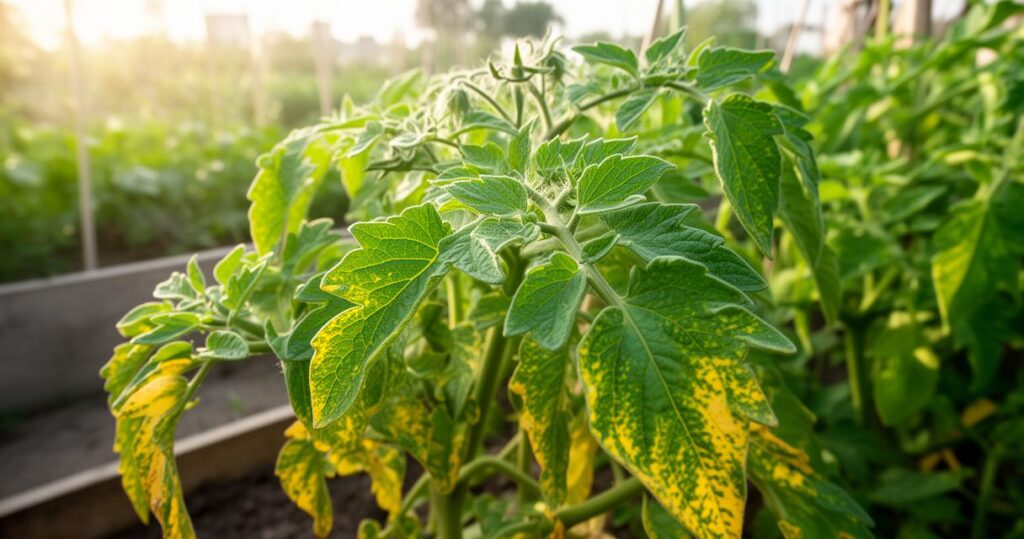
If you have ever wandered into your garden of a morning to find your tomato plants looking rather sorry for themselves, with leaves turning an alarming shade of yellow, you are certainly not alone. This is one of the most common complaints among gardeners, whether you are growing a few pots on a balcony or tending a full vegetable patch. The good news is that yellowing leaves are almost always a sign pointing towards a specific, fixable problem, and once you know what to look for, sorting it out becomes far less daunting.
At a glance
- Yellowing tomato leaves are a common issue usually caused by improper watering, nutrient deficiencies, or pests and diseases.
- Incorrect watering habits, particularly overwatering, lead to root suffocation and are a primary cause of foliage discoloration.
- Specific nutrient deficiencies, such as nitrogen, potassium, or iron, can be identified by the patterns of yellowing and the location of the affected leaves.
- Maintaining healthy soil through organic matter and correct pH levels is essential for ensuring plants can properly absorb the nutrients they need.
- Gardeners should regularly inspect plants for pests like aphids and spider mites, which can be managed with prompt organic treatments.
- Fungal and bacterial diseases require immediate identification, as some conditions like late blight necessitate the removal of infected plants to protect the rest of the garden.
- Seedlings require extra care and protection from environmental stress to ensure they develop strong root systems and healthy growth.
Understanding the root causes: why your tomato leaves are turning yellow
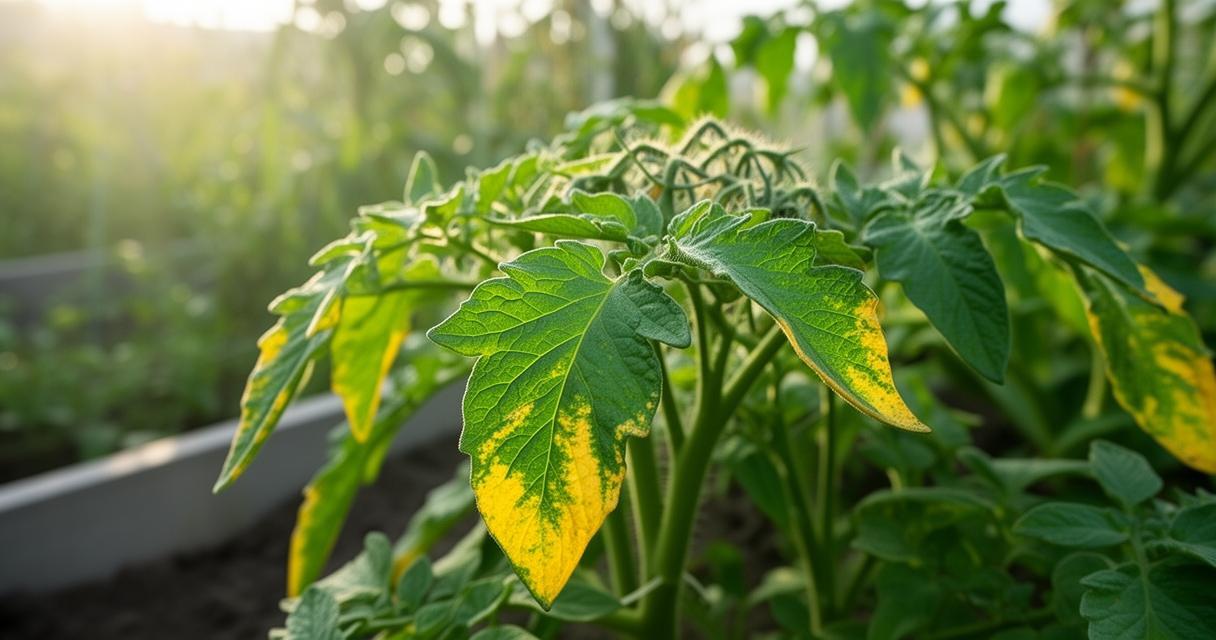
There is rarely just one culprit behind yellowing foliage on tomato plants. More often than not, it is a combination of watering habits, nutrient availability, and sometimes uninvited guests in the form of pests or disease. Getting to the bottom of it means playing a bit of detective, looking closely at where the yellowing appears on the plant, whether it is the older leaves or the newer growth, and whether there are any accompanying symptoms such as spots, curling, or browning.
Watering Woes: Finding the Perfect Balance for Healthy Tomatoes
Tomatoes are notoriously fussy about their water supply, and this is frequently where things go wrong. Too little water and the plant simply cannot take up the nutrients it needs, leading to a dull, pale look across the foliage. On the other hand, overwatering is arguably the more common blunder, and it is a sneaky one because the symptoms can look remarkably similar to underwatering. When roots sit in waterlogged soil for too long, they begin to suffocate and rot, which in turn causes yellowing leaves that often start at the bottom of the plant and work their way up. The trick is to water deeply but infrequently, allowing the top layer of soil to dry out slightly between sessions, which encourages roots to grow deep and strong rather than staying shallow and vulnerable.
Nutrient deficiencies: identifying what your plants are missing
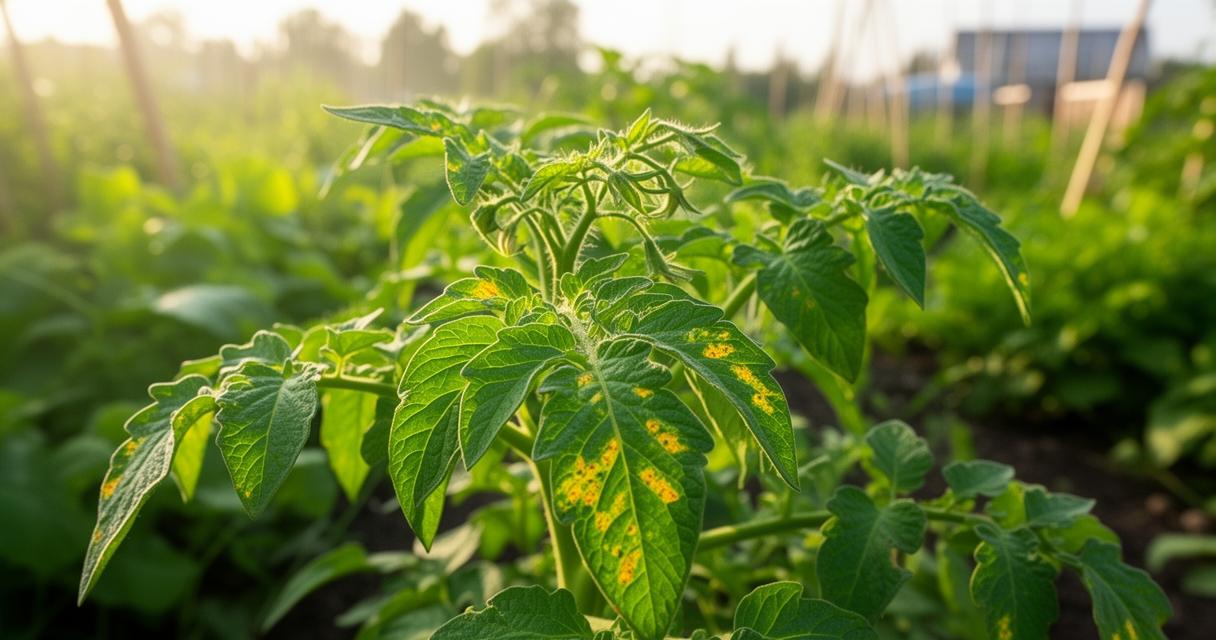
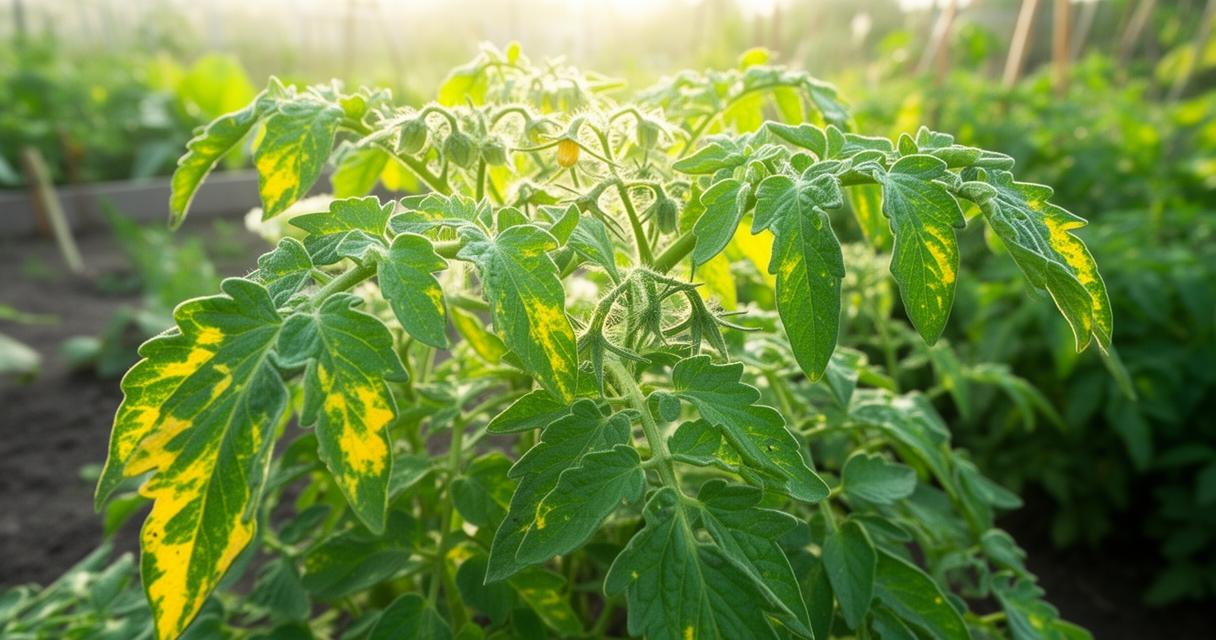
Once watering has been ruled out, nutrient deficiencies are usually the next suspect, and rather cleverly, the colour and pattern of the yellowing can tell you exactly what your plant is lacking. An iron deficiency tends to show up as yellowing on the younger leaves while the veins remain green, whereas a potassium deficiency does the opposite, affecting older leaves first while again leaving the veins green. If you spot dark spots peppered within yellow patches alongside leaves that look unusually small and narrow, you are likely dealing with a zinc deficiency. A calcium deficiency is a bit more worrying, as it causes pale young leaves and can even kill off the growing tips if left unaddressed. Then there is nitrogen deficiency, perhaps the most familiar of the lot, which results in a generally stunted plant with an overall pale, washed-out yellow appearance rather than a specific pattern.
Soil Health and pH: The Foundation of Thriving Tomato Plants
Even the most attentive watering schedule and the best organic fertilisers in the world will not help much if the soil itself is not up to scratch. Healthy soil is the foundation that everything else builds upon, and neglecting it is a bit like trying to build a house on sand.
Testing and improving your garden soil quality
It is well worth investing in a simple soil testing kit, which can be picked up from most garden centres, to get a clearer picture of what you are working with. Compacted, poor-quality soil struggles to hold onto moisture and nutrients effectively, which then starves the roots and shows up as yellowing further up the plant. Working in well-rotted compost or organic matter improves both drainage and nutrient content, giving your tomatoes a far better chance of thriving throughout the growing season.
Managing pH Levels for Optimal Nutrient Availability
Tomatoes generally prefer a slightly acidic soil, and when the pH drifts too far in either direction, nutrients that are technically present in the soil can become locked away and unavailable to the plant. This is a frustrating situation because you might be feeding your plants correctly, yet they still show signs of deficiency simply because the pH is not allowing proper absorption. Adjusting pH with garden lime or sulphur, depending on which direction you need to shift it, can make an enormous difference to overall plant vigour.
Practical Solutions: Preventing and Treating Yellow Leaves in Your Vegetable Garden
Beyond soil and water, there is a whole cast of pests and diseases that can turn healthy green foliage yellow, brown, or spotted. Aphids are tiny but mighty troublemakers, sucking sap from leaves and leaving behind misshapen, yellowed foliage that calls for a swift organic treatment before numbers get out of hand. Spider mites are another nuisance, recognisable by the fine webbing they leave behind alongside brownish, speckled leaves. Larger pests such as beetles and hornworms tend to leave more obvious evidence in the form of chewed holes, and these are usually easier to spot and remove by hand. When it comes to more serious issues like wilt caused by bacteria or fungi, or diseases such as the Tobacco Mosaic Virus, late blight, and Septoria leaf spot, prompt action is essential. Septoria leaf spot, for instance, presents as circular brown patches dotted with tiny dark specks, typically beginning on the older, lower leaves before spreading upwards. Sadly, there is no cure once late blight takes hold, and infected plants should be removed and disposed of away from the compost heap to prevent the disease lingering in your garden.
Caring for Seedlings: Special Considerations for Young Tomato Plants
Young seedlings are particularly delicate and have far less resilience than mature plants, meaning even minor stress can trigger yellowing leaves. Consistent moisture, gentle handling, and protection from harsh weather or intense sunlight during their earliest weeks go a long way towards giving them a strong start. It is also wise to hold off on heavy feeding until they have established a proper root system, as overzealous fertilising can shock tender seedlings.
Monitoring and Maintenance: Regular Checks to Keep Your Tomatoes Healthy
Ultimately, prevention is far kinder to your plants, and to your patience, than treatment after the fact. Make it a habit to inspect your tomato plants every few days, checking the undersides of leaves for pests, noting any changes in colour or texture, and acting quickly if something seems amiss. Choosing resistant varieties when planting can reduce your risk considerably from the outset, and combining this with organic fertilisers, sensible watering, and prompt disposal of any infected leaves creates a garden environment where yellow leaves become the exception rather than the rule. Not every yellowing symptom spells disaster either; a bit of leaf curl or a slightly purple tinge is often harmless and resolves itself without intervention, so there is no need to panic at every small change. With a watchful eye and a little patience, your tomato plants can bounce back from most setbacks and reward you with a healthy, generous harvest come summer.