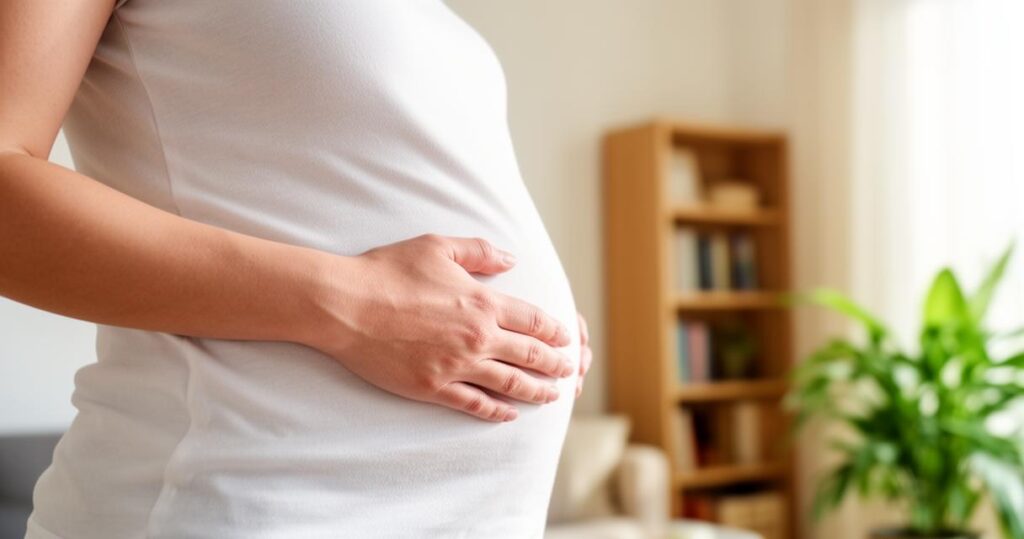
Trying to work out whether that persistent tummy swelling is simply bloating or an early sign of pregnancy can feel like a genuine puzzle, especially when the two conditions share so many overlapping traits. Many women find themselves anxiously checking for clues, comparing how their stomach feels one week to the next, and wondering whether it's time to take a test or simply wait it out. Understanding the subtle but important differences between these two experiences can save a great deal of worry and help you decide when it's sensible to seek proper medical advice.
In brief
- Bloating typically results in a soft, uneven stomach that fluctuates in size, whereas a pregnant belly feels firm and consistently rounded due to the expanding uterus.
- Digestive bloating often resolves within twenty-four hours, while pregnancy-related abdominal changes tend to persist and gradually worsen during the first trimester.
- Common bloating is frequently triggered by diet, stress, or the menstrual cycle, and may be accompanied by symptoms like headaches or mood swings.
- Early pregnancy is characterized by a specific cluster of signs, including a missed period, breast tenderness, frequent urination, and nausea.
- While you can distinguish the two conditions through physical touch and symptom tracking, medical assessment is necessary to rule out other issues like hormonal imbalances or food intolerances.
- A pregnancy test is the most reliable way to confirm if abdominal swelling is linked to pregnancy, but professional consultation is recommended for an accurate diagnosis.
Understanding the Physical Characteristics That Set Bloating Apart from Pregnancy
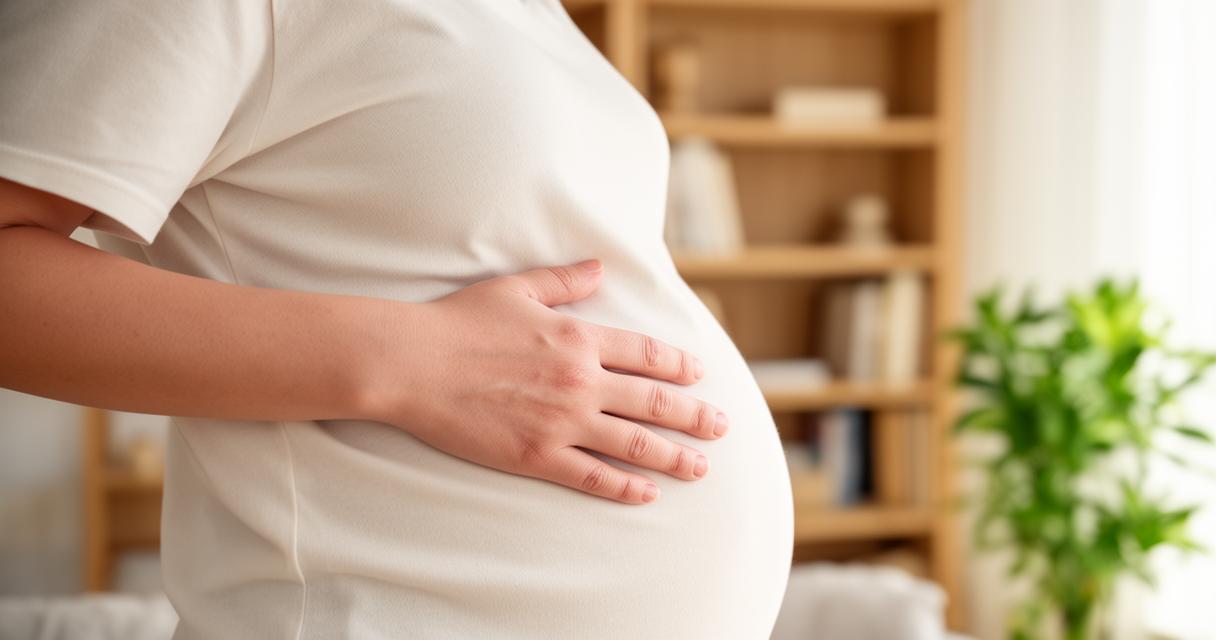
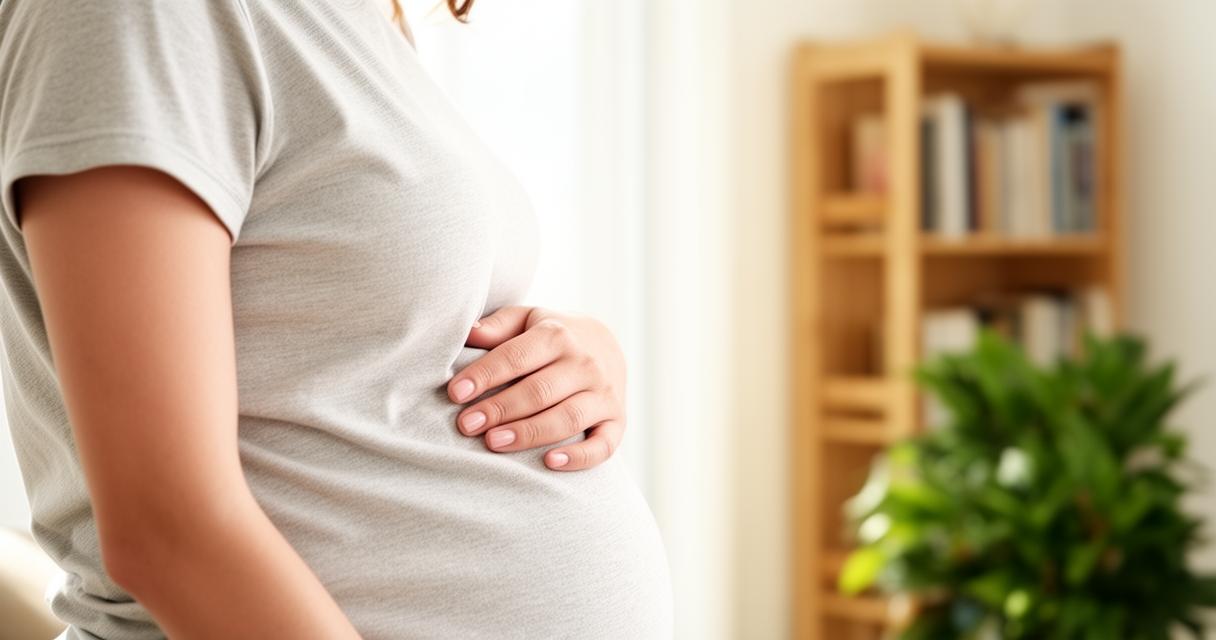
One of the most telling clues lies in how the abdomen actually feels to the touch. A stomach that's bloated from gas or digestive upset tends to feel soft and somewhat uneven, often described as squashy rather than firm, and the swelling can shift depending on posture or time of day. By contrast, a pregnant belly generally feels harder and more consistently rounded, particularly as the uterus growth progresses beyond the earliest weeks. This firmness happens because the uterus itself is expanding rather than air or fluid simply building up within the digestive tract.
Abdominal Firmness and Distribution: Recognising the Textural Differences
Bloating typically distributes unevenly, sometimes concentrated higher up near the ribs or lower down near the pelvis depending on what's triggered it, whereas pregnancy-related firmness tends to centre steadily around the lower abdomen and grows in a more predictable pattern. Many women don't notice a visible pregnancy bump until after twelve weeks, which is precisely why bloating can be so easily mistaken for early pregnancy in those first few weeks. Pressing gently on the abdomen can sometimes help distinguish the two, since bloated bellies often respond to gentle massage or passing wind, while a firm pregnant abdomen won't change in the same way.
Timeline and Onset Patterns: How Quickly Symptoms Develop in Each Case
Ordinary bloating usually appears and resolves within a short window, often settling within twenty-four hours once digestion has run its course or a menstrual cycle has ended. Pregnancy bloating, on the other hand, tends to begin during the first trimester and can gradually worsen as the weeks go on, rather than disappearing after a day. If you notice that your swelling simply won't shift and seems to be building steadily rather than coming and going, this pattern alone can be a useful signal that something other than ordinary digestive bloating might be at play.
Accompanying symptoms that help identify which condition you're experiencing
Beyond how the stomach itself looks and feels, it's the surrounding symptoms that often provide the clearest picture. Bloating linked to diet, stress, or the menstrual cycle tends to arrive alongside a fairly recognisable set of complaints, while genuine early pregnancy signs bring their own distinctive combination of changes that are worth paying close attention to.
Digestive indicators: recognising gas, discomfort, and dietary triggers
Everyday bloating is frequently connected to what you've eaten, how quickly you ate it, or underlying digestive conditions such as irritable bowel syndrome or endometriosis. Certain foods and drinks are notorious for causing trapped wind and discomfort, and this type of bloating often eases once digestion settles or once a bowel movement occurs. Around sixty-two per cent of women report bloating before their period begins, with just over half experiencing it during menstruation itself, largely due to hormonal fluid retention. Stress can make matters considerably worse too, since raised cortisol levels are known to aggravate digestive discomfort. Headaches, mood swings, and general irritability tend to accompany this type of bloating far more than they do genuine pregnancy symptoms.
Early pregnancy signs: identifying hormonal changes and related symptoms
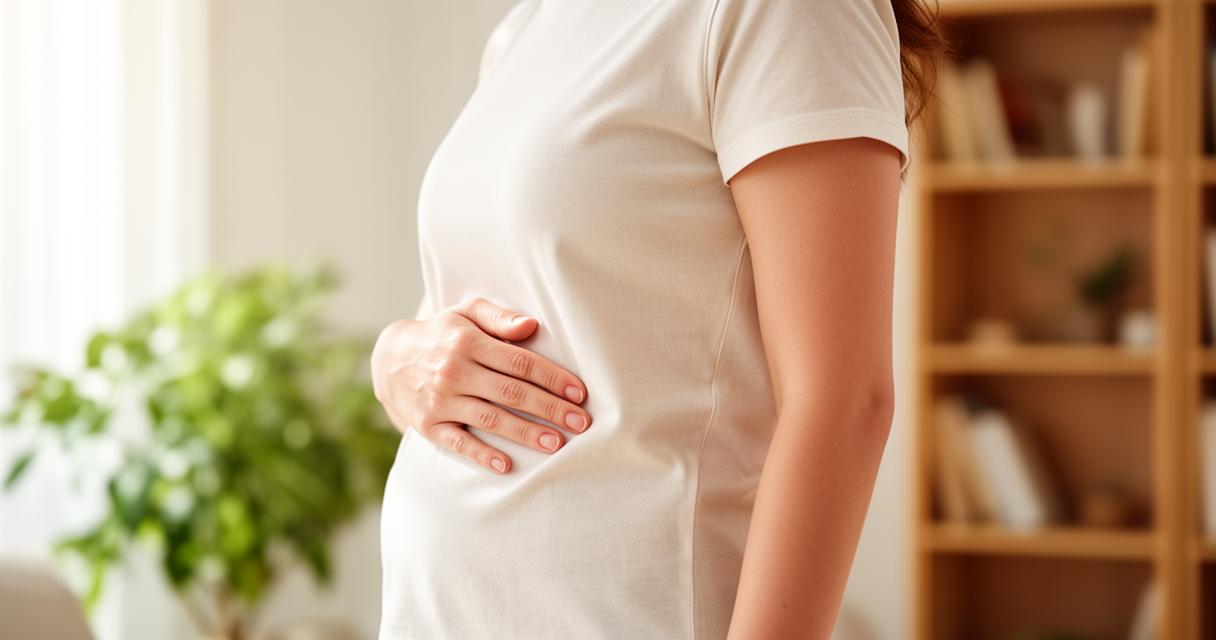
Pregnancy bloating happens for a different reason entirely, driven largely by rising progesterone, which slows digestion and allows gas to build up more easily. What sets it apart is the company it keeps: a missed period, tender breasts, frequent urination, and the queasiness often labelled morning sickness all tend to appear alongside the swelling. Some women also notice light spotting, mild cramping, unusual fatigue, and food cravings that seem to appear from nowhere. If several of these symptoms are turning up together rather than in isolation, it's a much stronger indication that pregnancy, rather than simple digestive upset, could be responsible. Taking an at-home pregnancy test is a sensible next step once a period has been missed and these accompanying signs are present.
When to Consult a Healthcare Professional for Proper Assessment
Even with a good understanding of these differences, there comes a point where guesswork simply isn't good enough, and this is where speaking to a qualified professional becomes genuinely important rather than optional.
Self-assessment limitations: why professional diagnosis matters
It's worth remembering that bloating itself can stem from a wide range of causes beyond diet or pregnancy, including hormonal imbalances, food intolerances, or conditions such as PCOS. Because so many symptoms overlap between ordinary digestive issues and early pregnancy, relying purely on self-assessment can lead to unnecessary anxiety or, conversely, missed warning signs. A healthcare provider can look at your full symptom picture, ask about your menstrual cycle, and consider your broader health history in a way that a quick internet search simply cannot replicate.
Available Medical Tests and Examinations to Confirm Your Condition
Fortunately, confirming what's actually happening doesn't need to be complicated. A standard pregnancy test remains the quickest starting point, while blood tests reviewed by certified healthcare providers can measure key hormones with far greater precision, particularly useful for women investigating fertility or irregular cycles. If bloating persists well beyond the usual day or so, or if it's accompanied by severe pain, unusual bleeding, or other concerning symptoms, a doctor may recommend further examination to rule out underlying medical conditions. In the meantime, simple measures such as increasing fibre intake, staying properly hydrated, wearing loose clothing, applying a warm compress, and engaging in light exercise can all help ease discomfort while you wait for clarity. Ultimately, when in doubt, reaching out for medical advice is always the wisest course of action, both for peace of mind and for your long-term wellbeing.