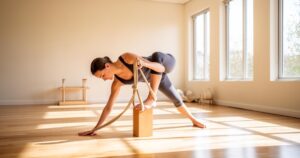
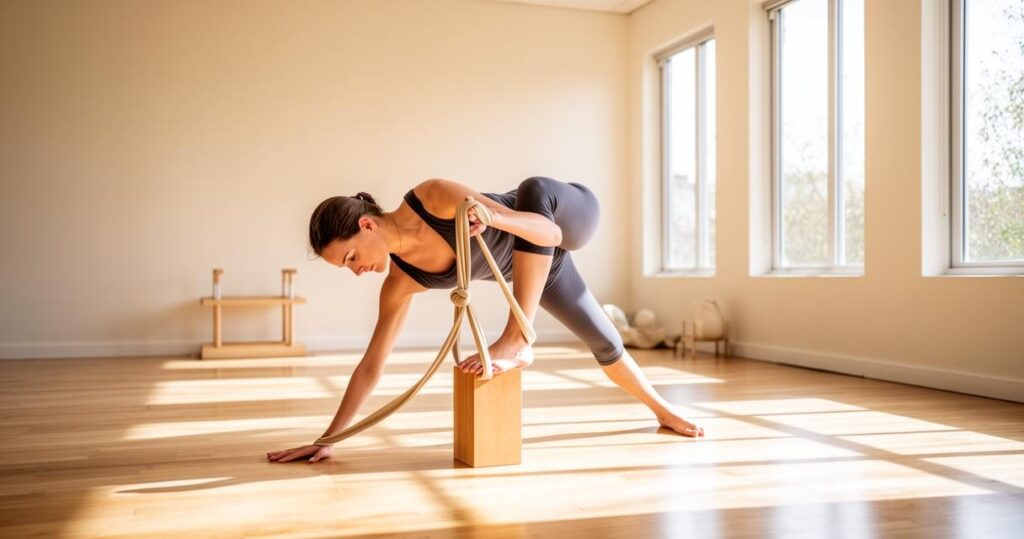
Stepping onto the mat with a sense of curiosity rather than pressure is often where the real transformation begins, and this is precisely what Iyengar yoga offers to newcomers and seasoned practitioners alike. Rooted in precision, patience and a deep respect for the body's individual needs, this method has quietly reshaped how people around the world approach movement, breath and stillness.
The essentials
- Iyengar yoga emphasizes precision, alignment, and individual body awareness over the pursuit of perfection.
- The method is characterized by the inventive use of props like blocks and straps, which help practitioners of all levels perform postures safely.
- Certified Iyengar instructors undergo extensive training to provide personalized guidance and corrective adjustments to their students.
- The practice begins with standing postures to build foundational strength, stability, and proper body mechanics.
- Seated and supine poses encourage deep relaxation and flexibility, making the practice highly effective for restoration and stress management.
- The system is designed to be inclusive and adaptable, allowing individuals with injuries or physical limitations to participate and progress safely.
- Iyengar yoga promotes long-term well-being and emotional resilience by fostering a mindset of contentment and acceptance toward one's own body.
Understanding the Foundations of Iyengar Yoga and Its Restorative Benefits
The philosophy behind b.k.s. iyengar's revolutionary approach to alignment
Long before yoga became a global phenomenon, BKS Iyengar was quietly revolutionising the practice from his home studio, drawing on the ancient wisdom of the yoga sutras attributed to Patanjali. His approach placed extraordinary emphasis on alignment, insisting that the body must be understood and respected before it can be transformed. This philosophy remains at the heart of every class taught under his name today, with a lineage that continues through the Iyengar family and is upheld internationally by organisations such as IY(UK), the national association that connects British teachers to the wider Iyengar community based in Pune, India. What makes this tradition so enduring is its insistence on progression rather than perfection, a mindset that has helped countless practitioners build not just flexibility but genuine body awareness.
How precision and props enhance your comprehensive practices
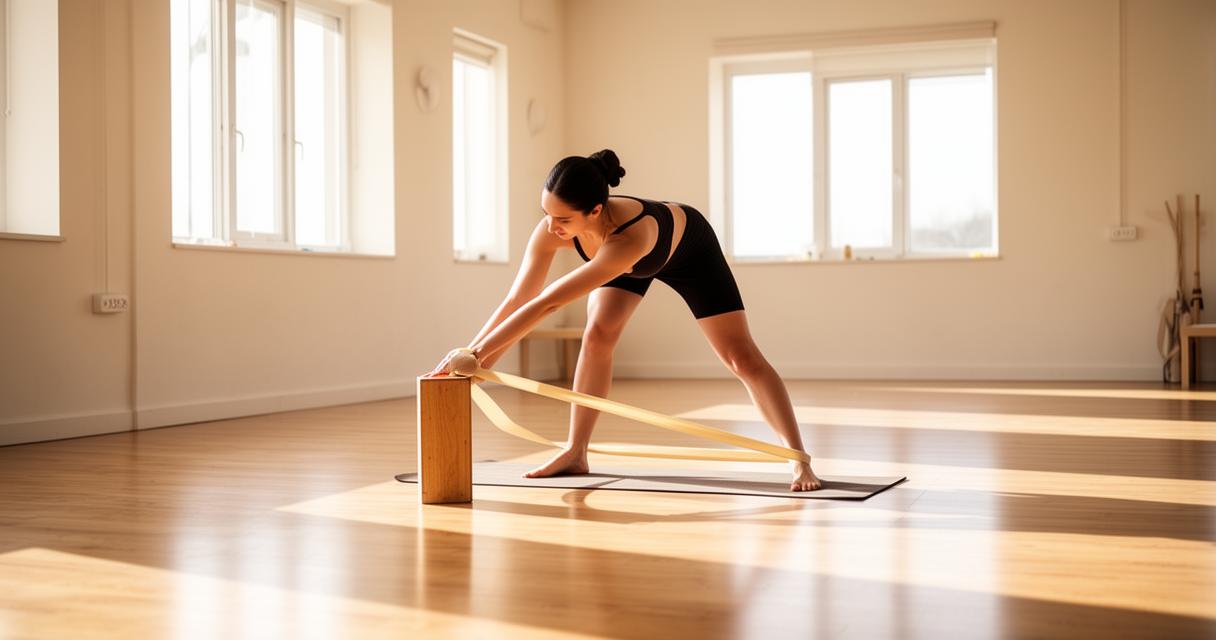
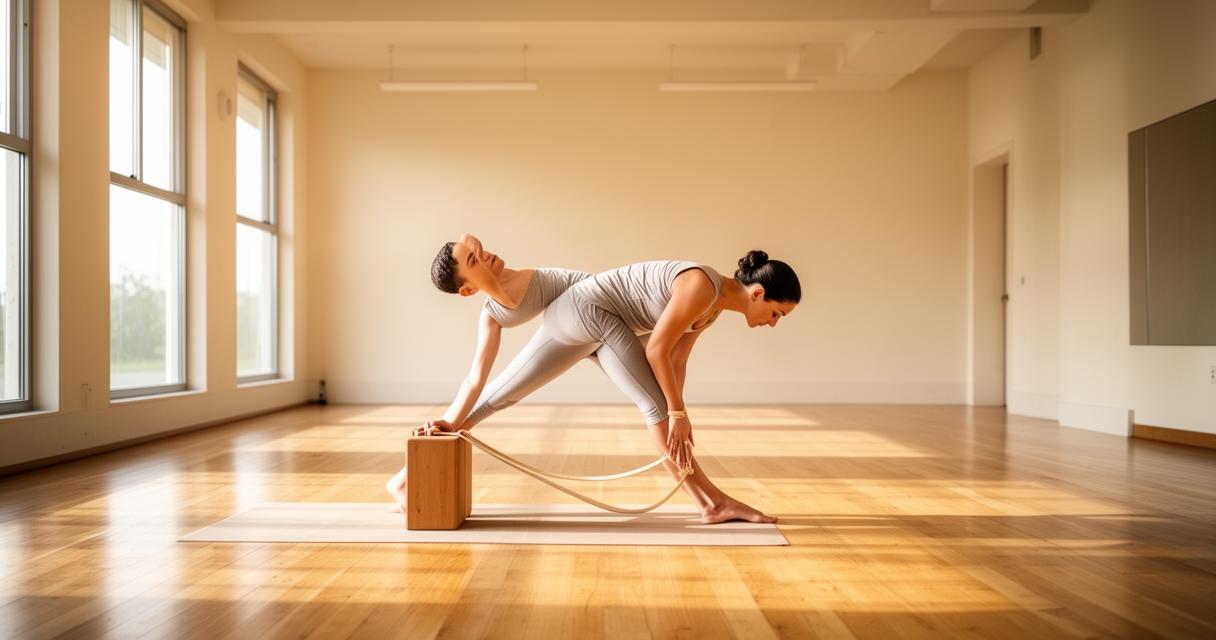
One of the defining features that separates Iyengar yoga from other styles is its inventive and highly practical use of props. Iyengar himself famously reached for household items, from wooden blocks to belts and blankets, to help students of all abilities find their way into poses safely. These props are not a sign of weakness or limitation, quite the opposite, they act as extensions of the limbs, allowing practitioners to explore challenging shapes with confidence while deepening their understanding of how the body moves and holds tension. A cross bolster, for instance, might support a gentle backbend, while a simple strap can transform a seemingly impossible forward bend into an accessible, even enjoyable, stretch. This thoughtful integration of props is central to the comprehensive practices that Iyengar yoga is known for, and it is part of what makes the method so welcoming to people recovering from injuries or managing chronic tension.
Mastering the 23 classic postures through effective instruction techniques
Standing Asanas: Building Strength and Stability in Your Foundation
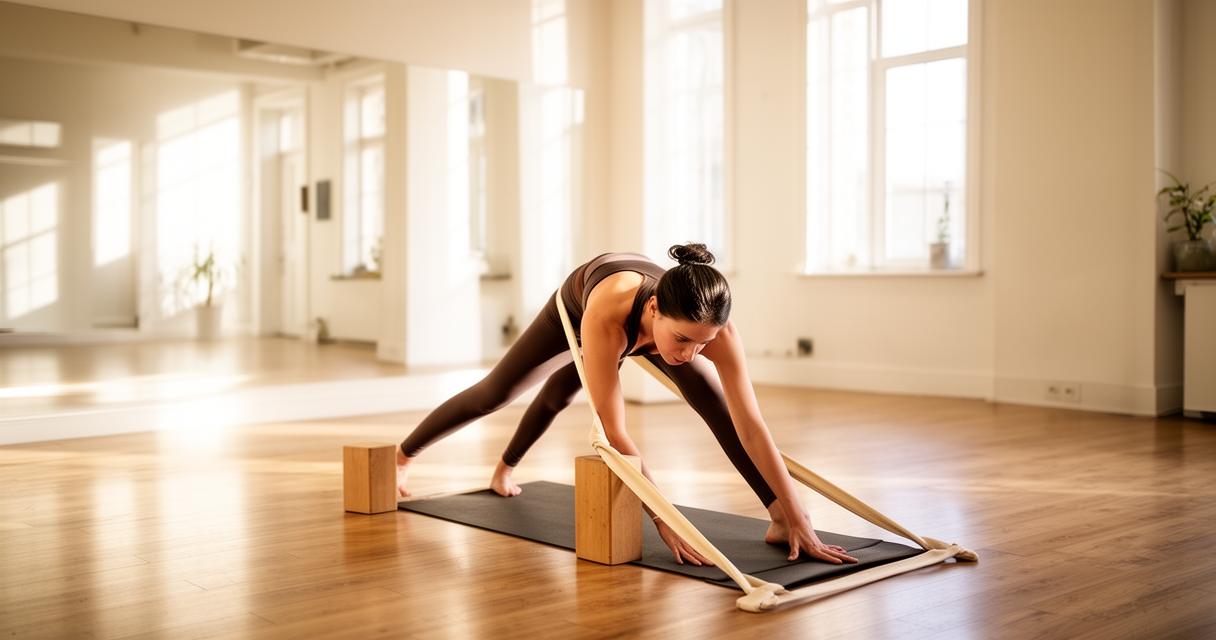
Effective instruction lies at the very core of how these poses are taught. In a typical class, an instructor will first demonstrate the shape being explored, offering clear verbal cues before moving through the room to provide individual corrections tailored to each student's body. This attentive, almost bespoke, style of teaching is only possible because of the extensive training that Iyengar teachers undergo, often involving a minimum of six years of mentorship before they are certified to lead classes independently. Standing poses form a natural starting point for many students, helping to build strength through the legs, open the hips and cultivate the kind of stability that supports every other posture that follows. These foundational shapes teach practitioners how to root down through the feet while lengthening upward through the spine, a lesson in balance that extends far beyond the mat.
Seated and Supine Positions: Cultivating Deep Restoration and Flexibility
As students progress, seated and supine postures introduce a different quality of attention, one that invites softness alongside effort. Many classes follow what is affectionately known as the Pune cycle, a rotating sequence of poses that unfolds over roughly four weeks, allowing practitioners to revisit and refine their understanding of each shape. Tight hamstrings, a common complaint among desk-bound adults, often begin to release gradually through consistent practice of forward bends and seated stretches, while supine poses supported by props encourage a state of surrender that many find profoundly calming. This is where restorative yoga truly comes into its own, focusing on deep relaxation for both body and mind rather than pushing toward an aesthetic ideal. The result is a practice that feels less like exercise and more like a conversation with oneself.
Consulting and development: creating your personalised iyengar practice journey
Adapting the 23 Classic Postures to Your Individual Needs and Abilities
No two bodies are alike, and Iyengar yoga's progressive system was designed with this reality firmly in mind. Teachers are trained to adapt postures according to a student's readiness, injuries or physical limitations, meaning that someone recovering from a shoulder issue or managing lower back pain can still participate meaningfully in class. This adaptability has made the method particularly valuable for rehabilitation, and many practitioners describe finding not only physical relief but also a renewed sense of community support as they progress alongside familiar faces week after week. Alongside the physical adjustments, the practice gently nurtures qualities such as Santosha, or contentment, encouraging students to accept where their body is on any given day rather than striving for an unattainable ideal, which in turn supports better stress management and emotional resilience.
Progressive Sequencing for Long-term Transformation and Well-being
For those wishing to deepen their practice from home, a ten-part online course available through yogaselection.com offers a thoughtfully sequenced journey into restorative work. The opening sessions focus on energy preservation and easing fatigue, while later classes weave in pranayama to build strength, calm the nervous system and sharpen breath awareness. Later still, students encounter supported standing poses, calming bends and sequences specifically designed to encourage deep, restful sleep, alongside techniques aimed at reducing anxiety and reconnecting breath with movement. The final session brings everything together using a cross bolster setup intended for profound relaxation. Membership unlocks access to more than six hundred and fifty on-demand classes with fresh content added weekly, alongside live classes for those who value real-time guidance, and a free fourteen-day trial makes it simple to begin this journey without commitment, cancelling at any time should it not suit.
Whether approached as a gentle rehabilitation tool or a lifelong discipline, Iyengar yoga's blend of precision, patience and restorative depth continues to offer something rare in modern life, a genuine invitation to slow down, breathe and truly inhabit one's own body.